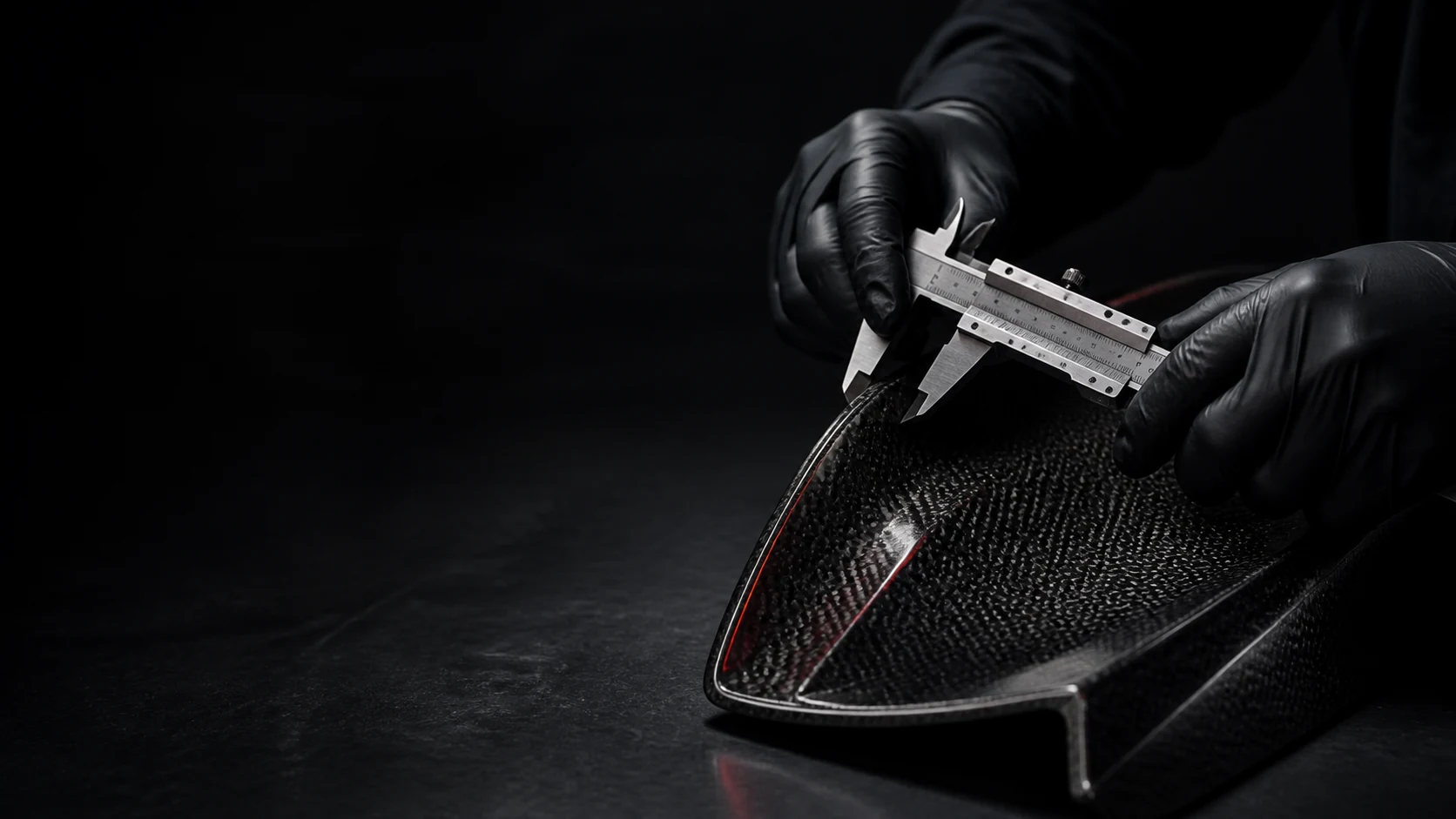
Vehicle-led
Good design follows the car’s existing surfaces instead of competing with them. Every component is considered as part of the complete profile.

Craftsmanship
A component should respect the vehicle it joins. Our approach begins with proportion, mounting context and the finish intended for the complete build.
Explore the approachThree considerations
Design intent, the vehicle application and the installation context should agree before a component becomes part of the build.
Good design follows the car’s existing surfaces instead of competing with them. Every component is considered as part of the complete profile.
Material and finish differ by component. Review the listed specification and confirm any alternative before moving forward.
Mounting surfaces, body style and prior modifications can affect fitment. Dry-fit first and use a qualified installer when required.
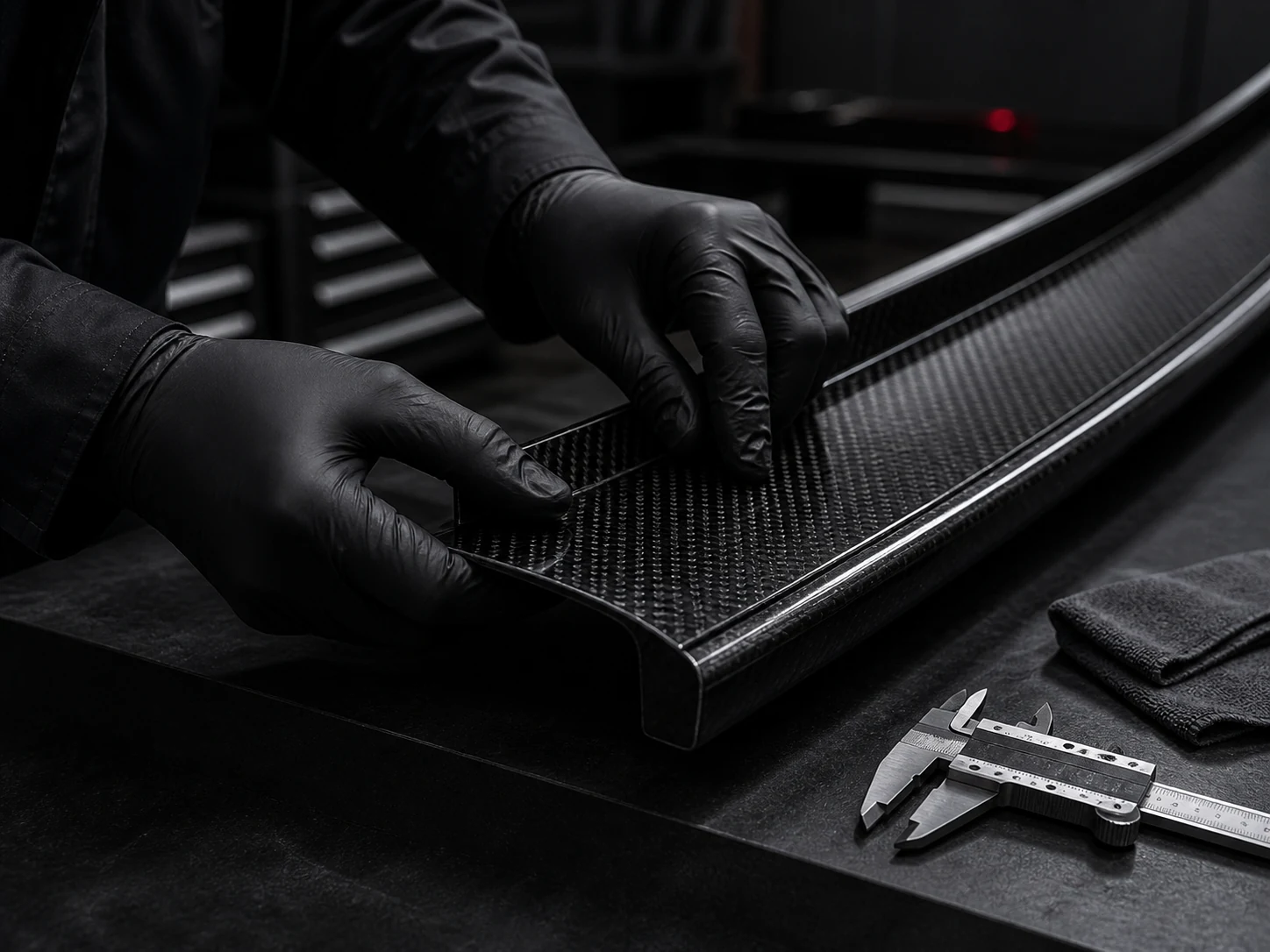 Material / Surface / Context
One complete visual language
A finish can change how a surface reads. A mounting position can change the car’s visual balance. That is why product selection begins with the vehicle and ends with the complete composition—not with a component viewed alone.
Explore partsA considered path
A clear review process helps separate a confirmed application from one that still needs more information.
Record the exact year, model, generation and trim before choosing a component.
Consider its position, listed material, available finish and the intended complete build.
Use a verified application when available, or pause for a manual review when more detail is needed.
Read the product guidance, dry-fit the component and confirm the installer’s approach.
Build with intent
Share the vehicle details, the component you are considering and any relevant modifications. We’ll help you narrow the next step.